Between 1950 and 1978, a quiet revolution took shape in China. In workshops lit by tungsten lamps and staffed by hand-picked technicians, the foundations of the nation’s ophthalmic manufacturing industry were laid. These were the Ember Years — a time when every lens was ground by hand, every frame was shaped with patience, and every finished product carried the pride of a country rebuilding itself.

Inside a 1950s Factory: Where It All Began
The first ophthalmic factories of the 1950s were modest by any measure. Cast-iron lathes, hand-operated grinding wheels, and rows of wooden benches defined the workspace. Yet it was here, amid the hum of machinery and the careful hands of master workers, that China’s first optical instruments took shape — one component at a time, one product at a time.
Precision Components, Crafted by Hand
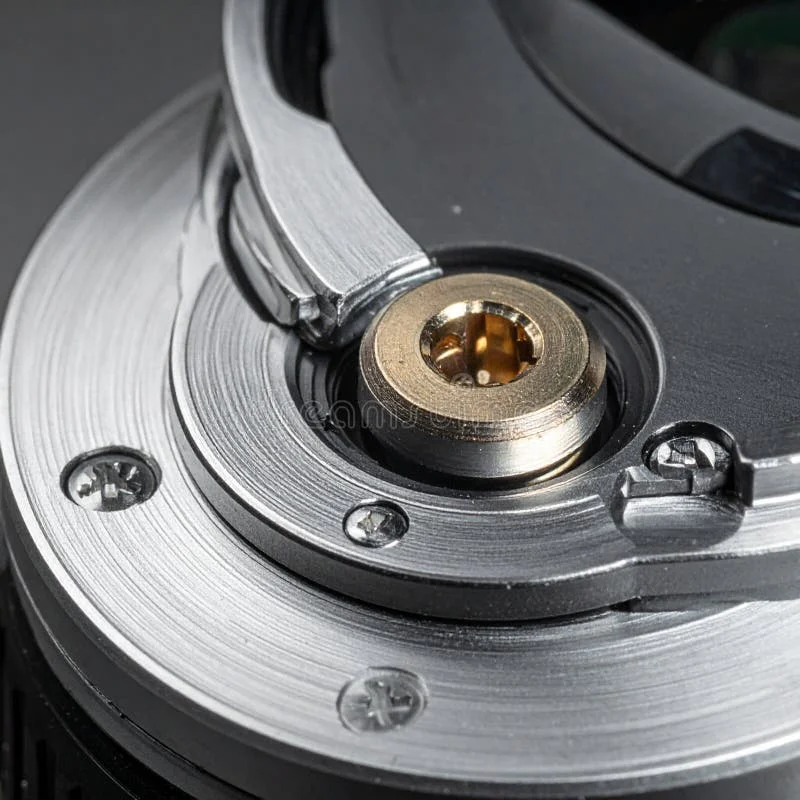
In an age before CNC machining, precision was a matter of skill rather than software. Experienced technicians filed, polished, and measured every component to tolerances measured in fractions of a millimetre. Eyeglass frames, trial lenses, and early diagnostic tools all depended on this painstaking hand-crafting — the true heart of the Ember Years.
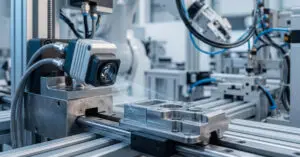
The Modern Line Takes Shape
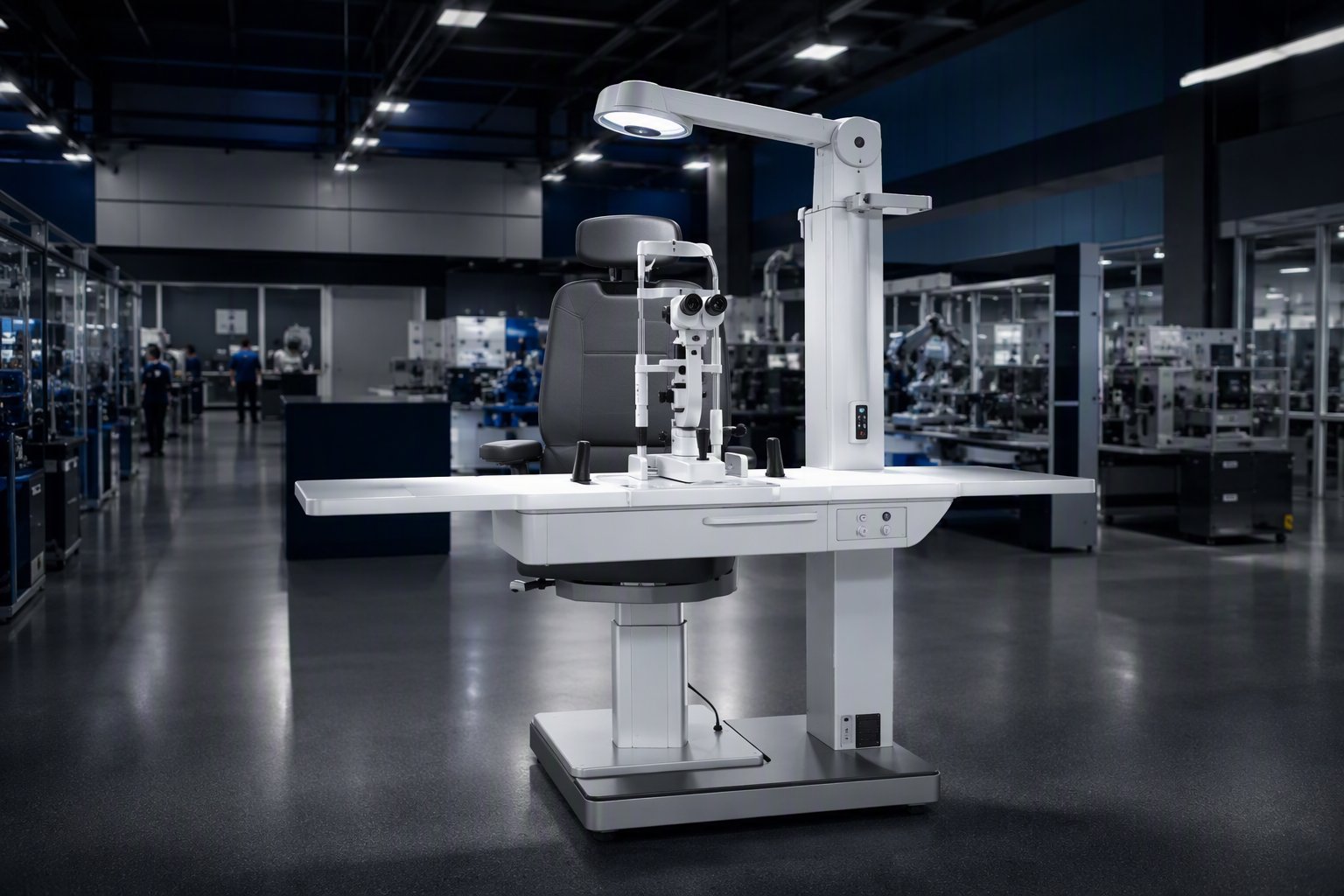
As the decades advanced, production lines evolved from workbenches into organised assembly flows. New machinery, better tooling, and stricter quality control transformed the way ophthalmic products were manufactured. The factory floor grew brighter, the output grew larger, and the young industry began to find its stride.
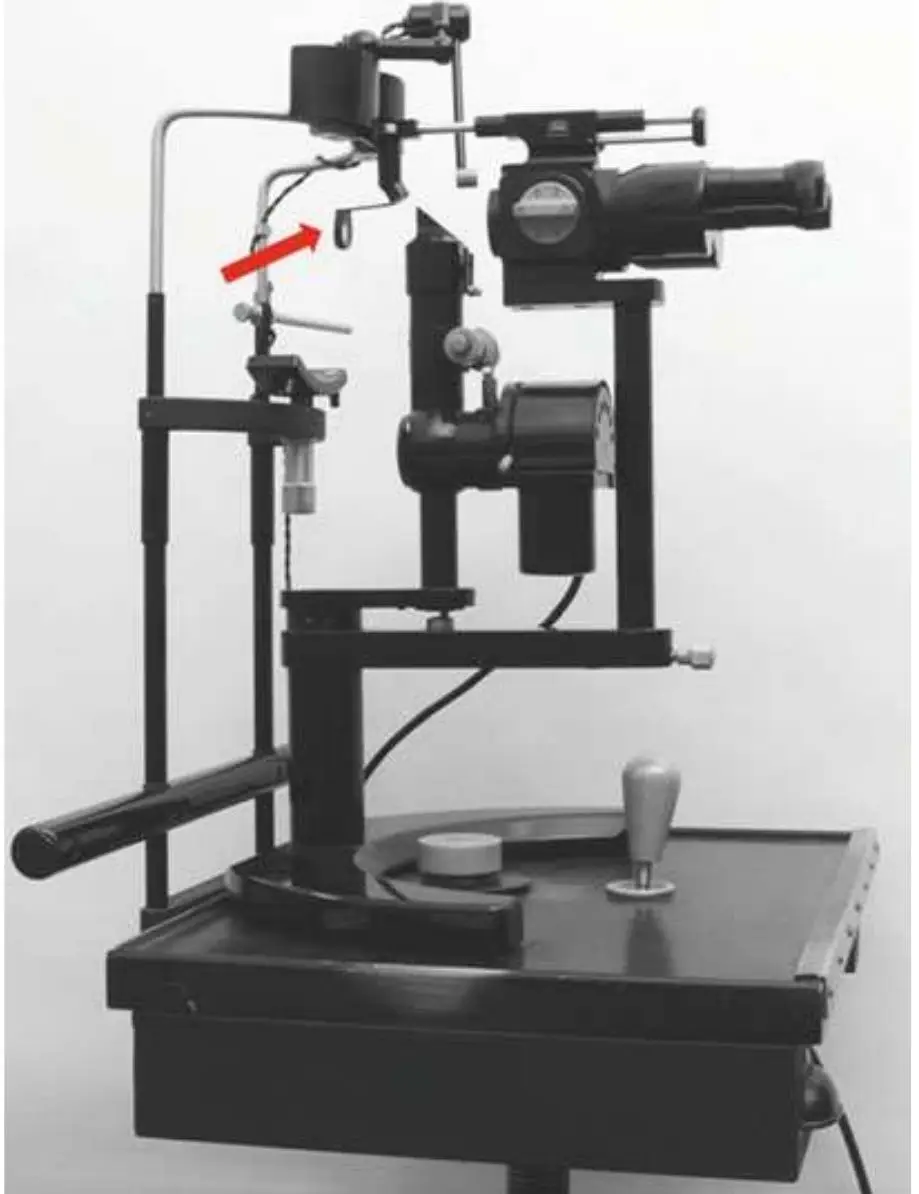
The 1970s Slit Lamp: A Milestone of Domestic Innovation
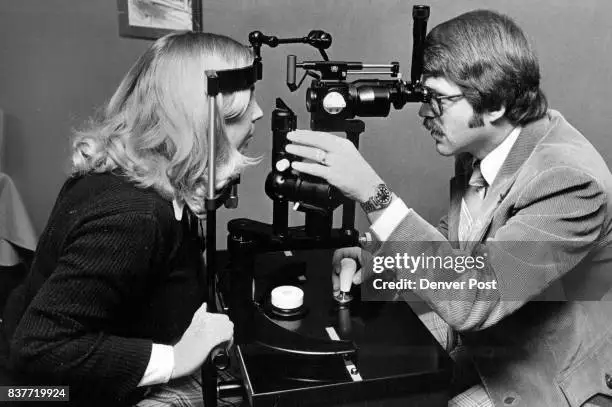
The 1970s brought one of the industry’s proudest achievements — a domestically produced slit lamp. Designed and built entirely in China, it allowed eye-care professionals to examine the anterior segment of the eye with a clarity they had never known. It was more than a machine; it was proof that the Ember Years had grown into a flame.
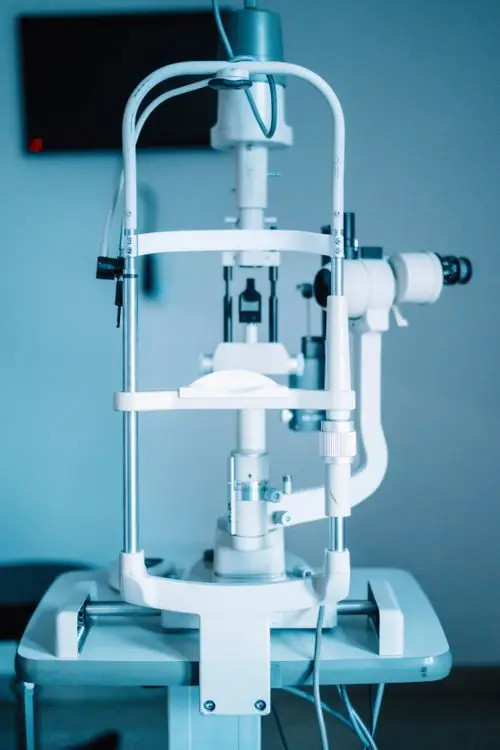
From Manual to Modern: The Slit Lamp Evolves
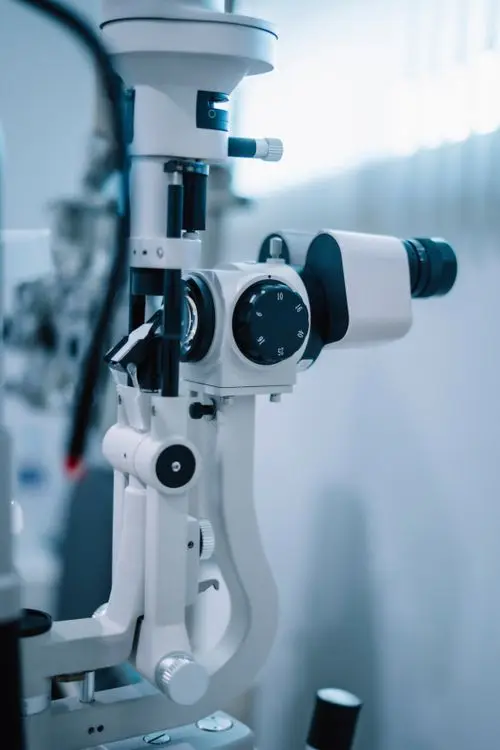
Compared with its 1970s ancestor, the modern slit lamp is a marvel of engineering. Bright LED illumination, precise optics, and ergonomic controls have turned a demanding instrument into an everyday tool of the consulting room. Yet the lineage is unmistakable: today’s models stand directly on the shoulders of those early domestic designs.
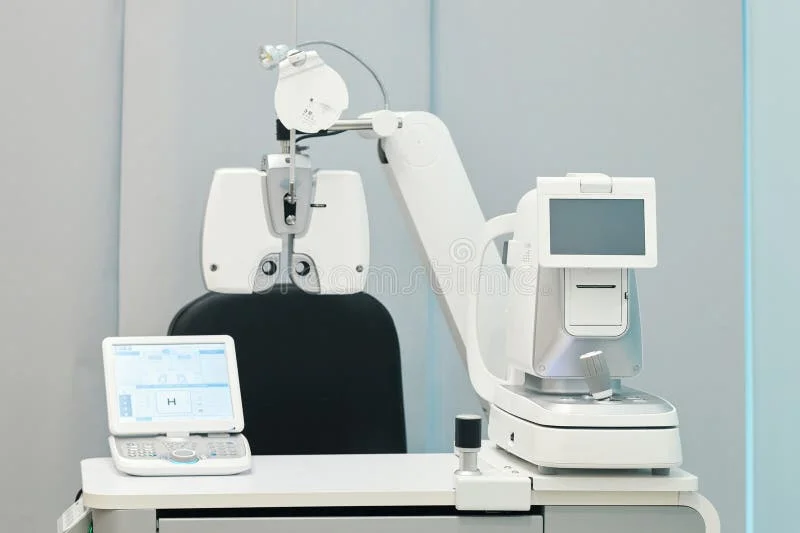
Inside the Modern Clinic
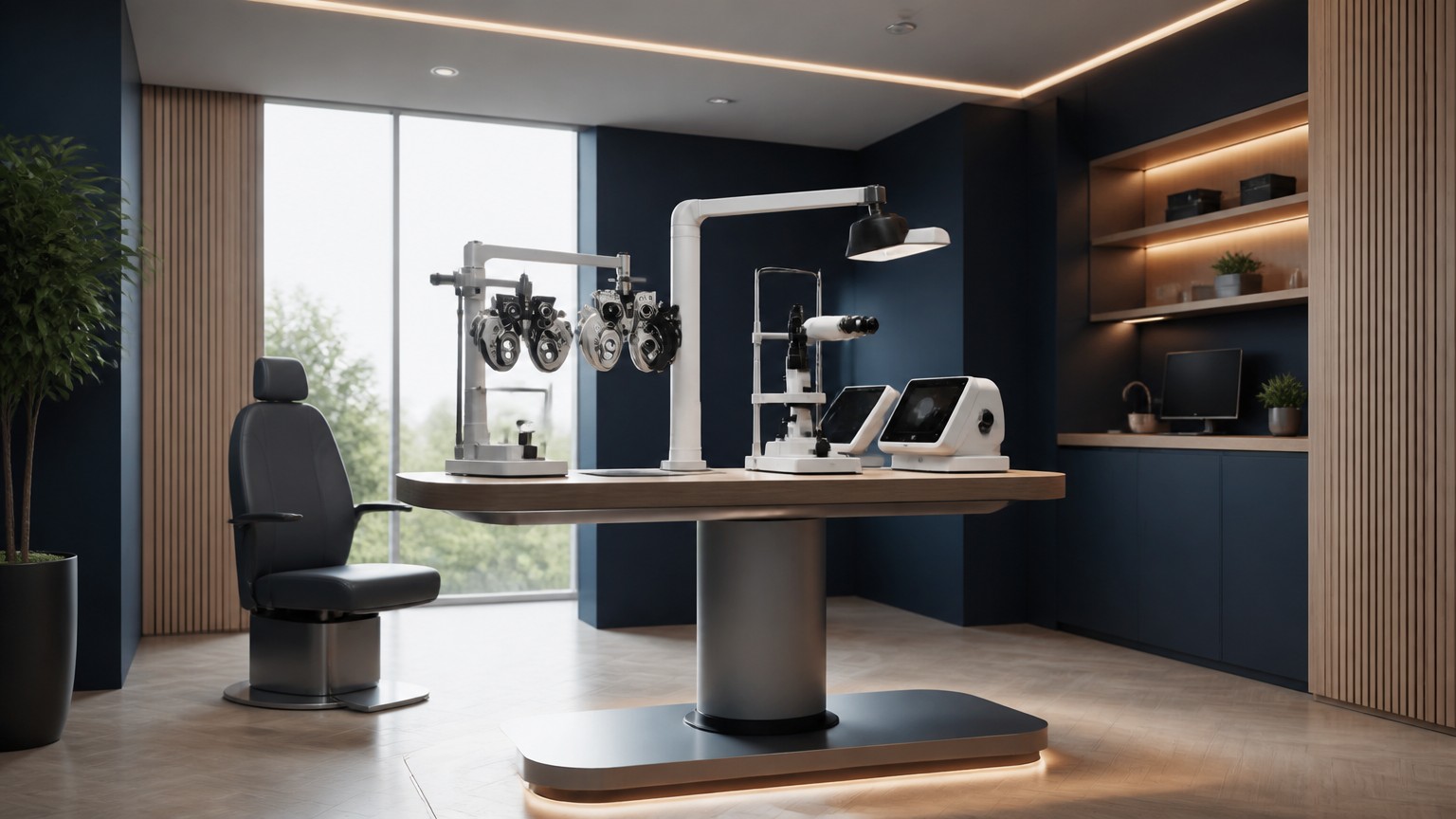
Today’s ophthalmic clinics are a world away from the consulting rooms of the 1950s. Digital imaging, automated refraction, and precision instruments fill the examination suite, enabling doctors to diagnose conditions earlier and treat them more effectively. Each device in the room is a descendant of the hand-built prototypes that started it all.
Lens Assembly: Where Precision Meets Care
The final stage of any ophthalmic product is lens assembly — the moment when components become instruments and instruments become the tools of sight. Every centring, every mount, every final inspection reflects the same dedication that defined the workshops of the 1950s. Quality, then and now, is never an accident.
From the ember-lit workshops of the 1950s to the bright assembly lines of today, China’s ophthalmic manufacturing has never stopped moving forward. The Ember Years are not just a chapter in a history book — they are the spark that still lights the way.