Reading Time: 6 minutes
By: Inclusive Healthcare Design Team
Beyond the Ramp: The Real Meaning of Accessibility
In 2026, accessibility is no longer just a “nice to have”—it is a legal requirement in most developed markets (such as ADA in the USA and Equality Act in the UK) and a moral imperative for any modern clinic. However, many clinic owners believe that having a ramp at the front door is enough.
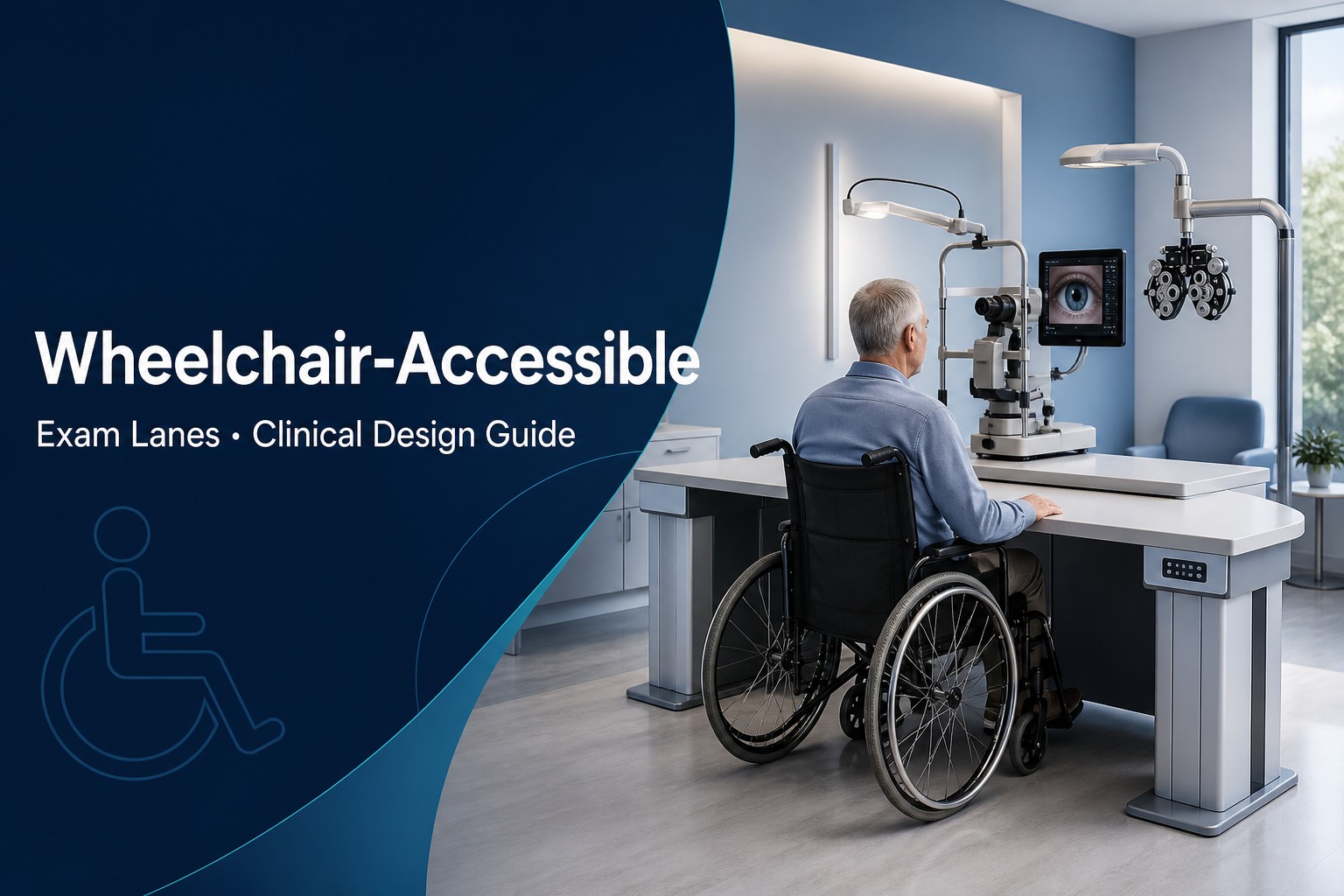
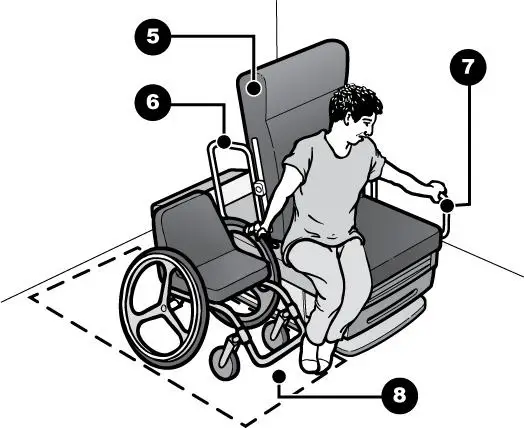
In the exam lane, the real barrier often isn’t the door; it’s the furniture. If a patient in a wheelchair cannot get close enough to the slit lamp or OCT, they must be “transferred” to an exam chair. Transfers are time-consuming, physically straining for staff, and often undignified for the patient. A truly inclusive clinic eliminates the transfer by following M301 Diagnostic Equipment Standards and utilizing specialized Wheelchair-Accessible Tables.
Why “Knee Clearance Height” is the Critical Metric
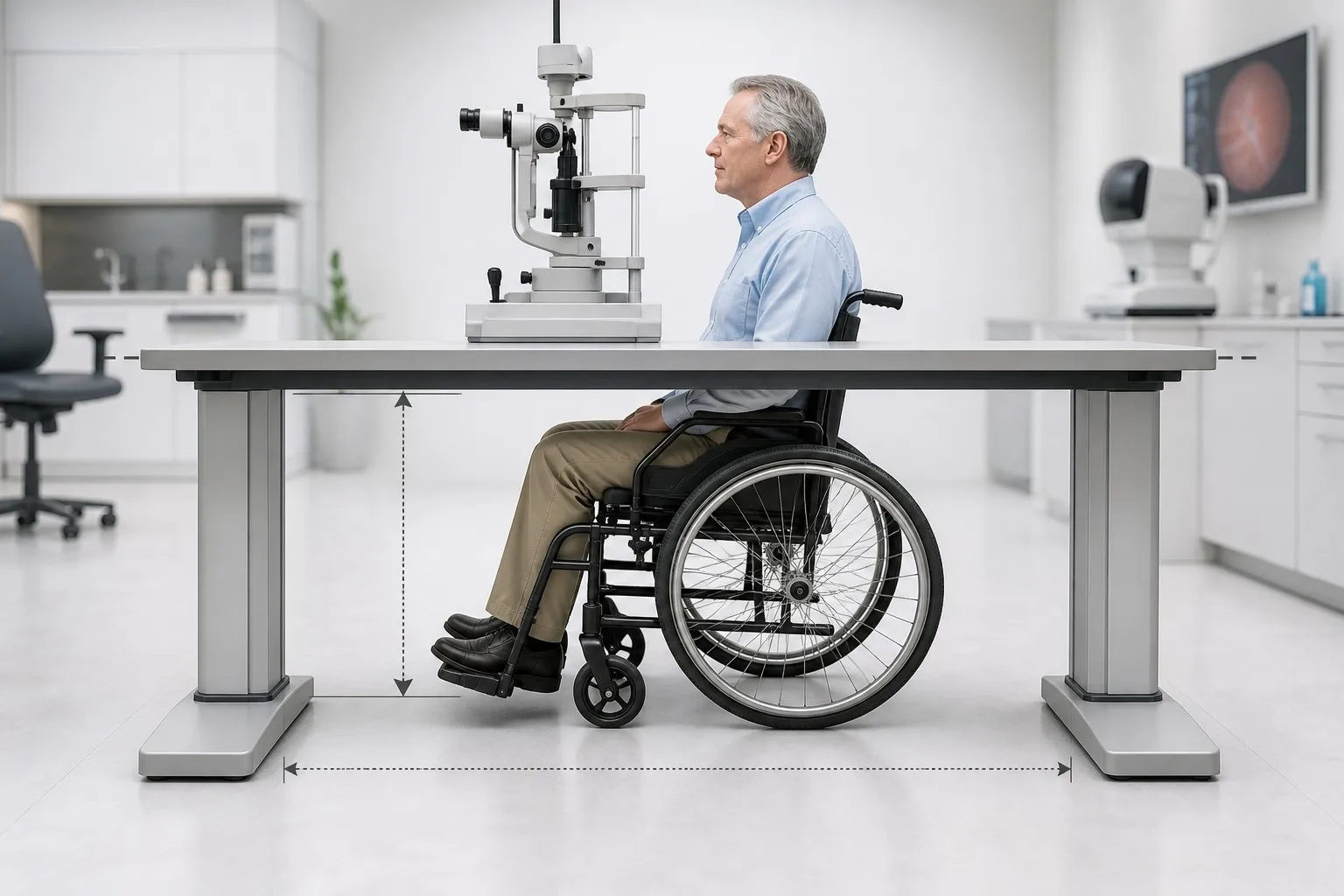
The most common failure in medical furniture design is insufficient “Knee Clearance.” For a wheelchair to pull up to an instrument, there must be a specific void under the table.
- Standard Center-Column Tables: The motor column sits exactly where the wheelchair’s footrests and the patient’s knees need to go. This forces the patient to lean forward at an awkward, unstable angle to reach the chin rest.
- Accessible Design: Requires a specific Knee Clearance Height of at least 685mm to 700mm, with a minimum clear width of 760mm and a depth of 430mm-635mm under the tabletop.
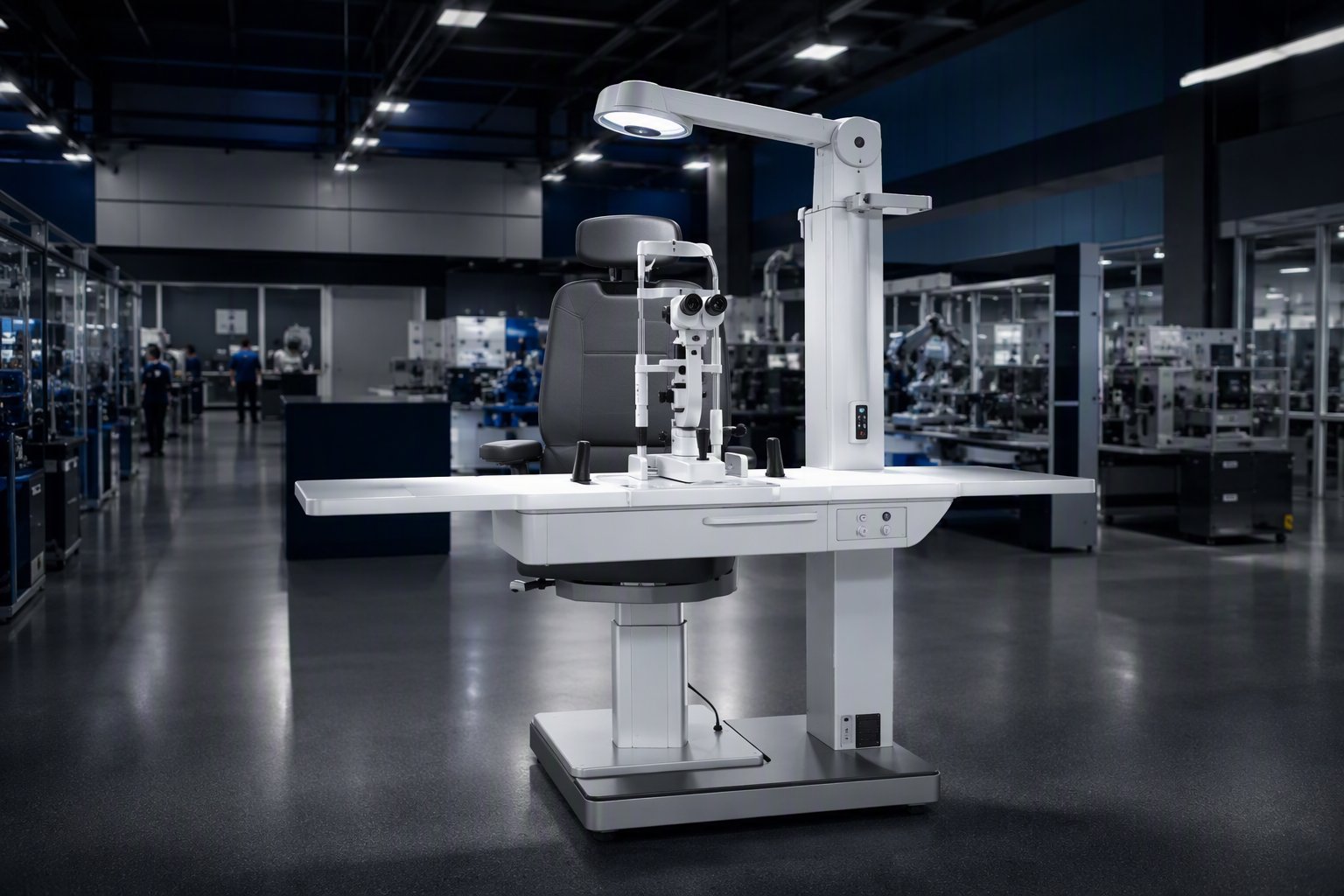
Engineering Insight: Our WCT-100 Wheelchair Table features a 920mm wide tabletop with a completely open bottom design. By moving the lift columns to the sides, we provide 100% unobstructed knee clearance, allowing almost any wheelchair model to glide directly into the examination position.
The Single-Column Myth vs. Dual-Motor Stability
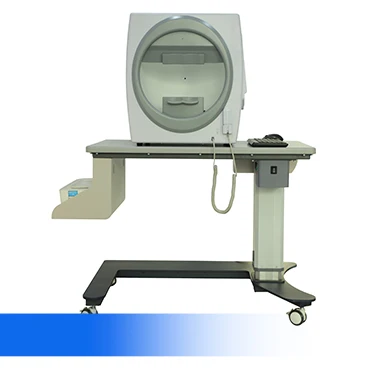
Many manufacturers try to make “wheelchair-ready” tables by simply using an offset single column. While this provides more space, it introduces a major flaw: Structural Sway.
A large, wide tabletop supported by a single offset column acts like a diving board. When a patient rests their weight on the far edge, or when a heavy diagnostic head moves, the table vibrates. This is why Hongdee pioneered the Dual-Motor Synchronization system in the WCT series.
- How it Works: Two synchronized medical motors lift in unison, controlled by a single microchip. This provides a “bridge” structure that is infinitely more stable than any single-column offset table, ensuring that even our widest 1000mm+ surfaces remain perfectly level and jitter-free.
ADA & Global Standards: A Quick Checklist
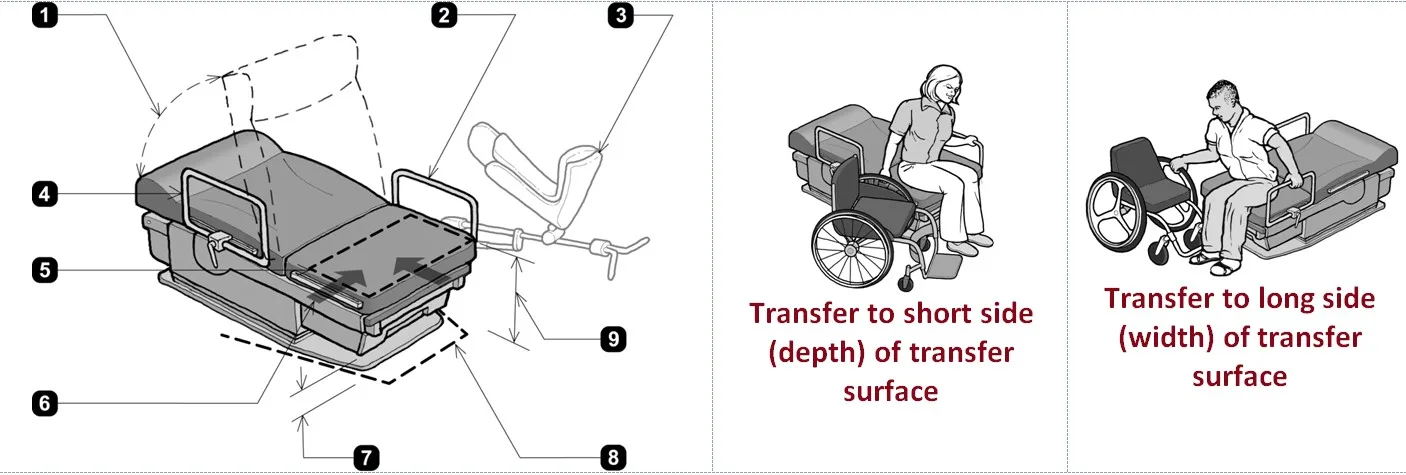
When designing your lane, keep these core requirements in mind to ensure global compliance:
- Adjustable Height: The table must be able to lower to at least 710mm to accommodate pediatric or low-set manual wheelchairs.
- Width of Access: The clear floor space for a wheelchair should be at least 760mm x 1220mm.
- No Obstructions: There should be no crossbars or motor housings below 680mm from the floor in the knee-zone.
Clinical Pearls: Optimizing for Inclusivity
- The “Turnaround” Radius: Ensure your exam lane has a 1500mm diameter of clear space. This allows a wheelchair patient to turn 180 degrees without hitting the equipment.
- Remote Control Handsets: For patients with limited hand mobility, having a table with a corded remote (standard on the WCT-100) allows the patient to adjust the height themselves, fostering a sense of autonomy.
- Staff Ergonomics: Accessible tables aren’t just for patients. They also allow the doctor to move their own stool closer to the patient, reducing the reach-strain discussed in our Ergonomics Guide.
Build a Clinic for Everyone
A wheelchair-accessible lane isn’t just about compliance; it’s about providing a superior patient experience that reflects the quality of your care. At Hongdee, we are proud to be the engineering partner behind the most inclusive clinics in the world.
Hongdee: Design Without Barriers. Care Without Compromise.